October 7, 2026
As a business owner or property manager, maintaining the structural integrity of your building is critical to protecting your assets, employees, and inventory. One of the most vital components of this defense is your roof. Over time, extreme weather, general wear, and environmental factors compromise its performance, leading to leaks, energy loss, and costly repairs. To avoid these issues, routine evaluations are essential. According to GAF, it is highly advised that roof systems be examined a minimum of two times annually, typically during the spring and fall months. While the idea of an evaluation might seem overwhelming, understanding the process can alleviate your concerns. Knowing exactly what happens when a commercial roofer steps onto your property ensures you are fully prepared for the steps ahead. Let us explore the journey of a typical property evaluation.
Preparing for the Initial Property Consultation
Before any physical climbing occurs, a professional commercial roofer will sit down and discuss the history of your building. This conversation sets the stage for the entire process. You will be asked about past leaks, previous repairs, and the age of the materials currently installed. Gathering this historical data highlights potential problem areas requiring closer attention. This step is highly beneficial for both parties, establishing clear communication early on. You should be ready to provide any existing documentation or warranties related to the property. This preliminary step allows the contractor to tailor their approach, whether dealing with a standard flat roof or specialized systems like metal roofing. By understanding your unique concerns, the contractor navigates the property more efficiently. This is the perfect time to bring up plans for the building, such as installing new HVAC units or upgrading energy efficiency, which could impact the commercial roofing services recommended.
Evaluating the Interior and Exterior Conditions
Once the preliminary discussion is complete, the physical assessment begins. Surprisingly, a thorough evaluation does not start on the roof. Instead, the commercial roofer will walk through the interior of your building looking for subtle signs of water intrusion you might have missed. Water stains on the ceiling, peeling paint, or a persistent moldy smell indicate a hidden leak originating from above. After examining the interior, the focus shifts to the building's exterior envelope. The inspector analyzes external walls, gutters, downspouts, and drainage systems. Proper water diversion is vital for any commercial roofing setup. If gutters are clogged, water can pool and back up into the building's foundation or seep underneath the membrane. The foundation of a secure building heavily relies on adequate drainage. By checking the interior and exterior perimeter first, the inspector creates a roadmap of structural vulnerabilities before ascending to the rooftop.
Examining the Surface for Severe Damage
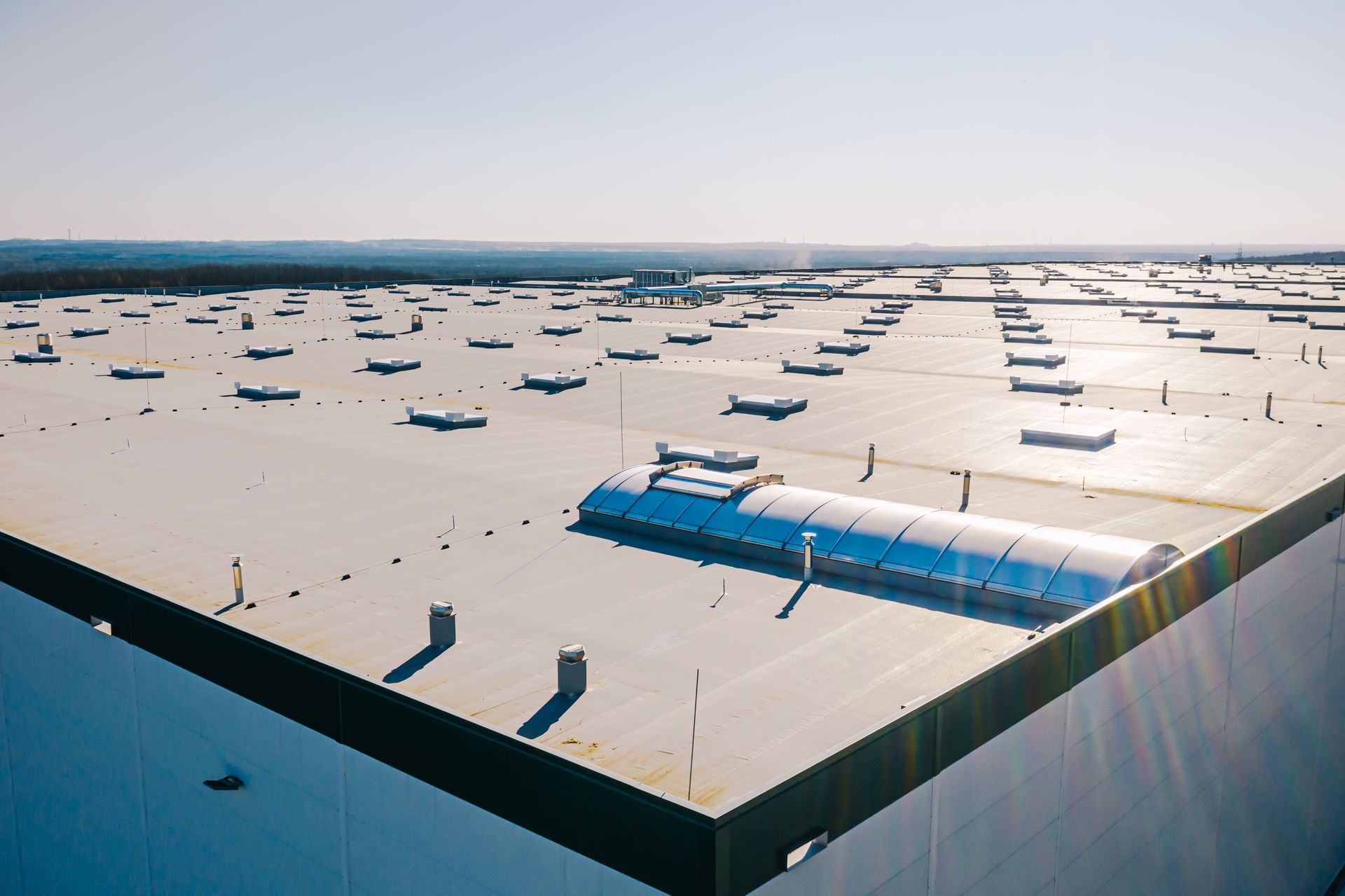
With the ground-level assessment finished, the inspector makes their way up to the rooftop. The surface examination is often the most time-consuming part of the process. A skilled commercial roofer will systematically walk the expanse of the roof, searching for obvious physical defects. This includes checking for blistering, cracking, or tearing in the membrane. For properties utilizing TPO roof coatings or acrylic applied roof coatings, the inspector checks for degradation or peeling that could compromise energy-efficient properties. They pay close attention to the seams, where different rolls of roofing material overlap, as these are common failure points. Debris accumulation, standing water, and organic growth like moss are documented, as they accelerate the deterioration of your roofing system. Taking the time to properly assess these issues prevents major disasters down the road. Every anomaly is logged, ensuring you receive a comprehensive visual record of surface conditions and threats to structural integrity.
Analyzing the Core and Structural Elements
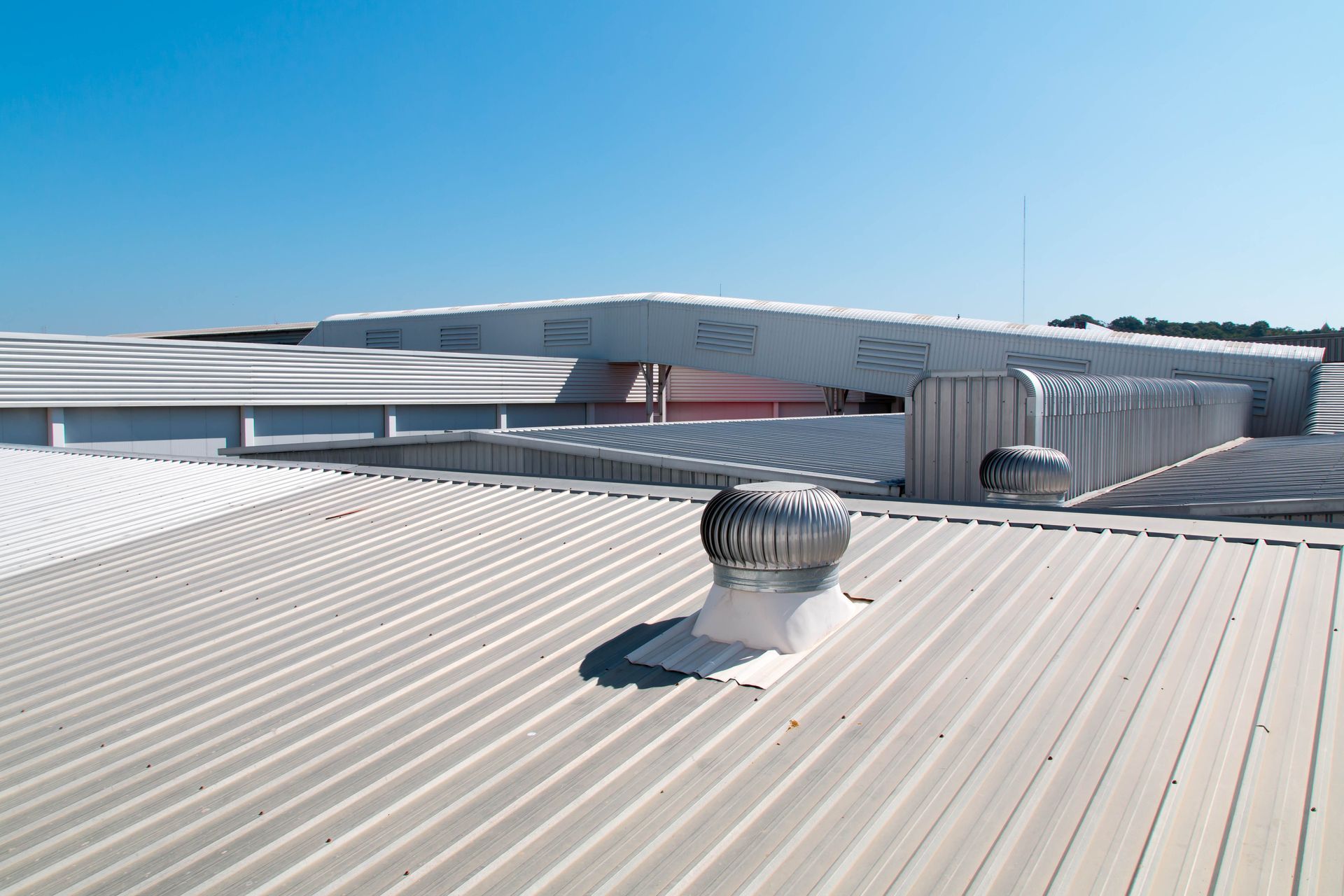
Beyond the visible surface, the structural integrity of your building relies heavily on what lies beneath the outer layer. During this phase, the commercial roofer might conduct a core sample test, especially if moisture infiltration is suspected. By taking a small, strategic sample of the roof, the inspector can determine the condition of the insulation and the underlying decking. Wet insulation is a massive liability; not only does it lose its thermal resistance, but it also adds significant weight to the building and promotes rot. The inspector will also thoroughly check all rooftop penetrations. Elements such as skylights, HVAC units, vents, and pipes require specialized flashing to remain watertight. The seals around these features degrade faster than the main roof surface due to constant expansion and contraction from temperature changes. Ensuring that the structural core is sound and that all penetrations are properly sealed is a critical part of comprehensive industrial roofing and commercial roofing evaluations.
Reviewing the Final Detailed Damage Report
After the physical inspection is completely wrapped up, the data must be compiled into an actionable document. You will not be left in the dark wondering about the status of your building. The commercial roofer will generate a detailed, formalized report outlining every finding. This document typically includes high-resolution photographs, a written breakdown of problem areas, and a categorization of issues based on urgency. For instance, severe seam separations might be flagged as emergency repairs, while slight wear on metal roofing might simply be noted for future monitoring. The inspector will sit down with you to review this document step by step, ensuring you understand the implications of their findings. This transparency is vital, as it allows you to see exactly where your maintenance budget needs to be allocated. A thorough report not only helps you address current problems but also serves as a valuable historical record for any future insurance claims or property valuations.
Implementing the Necessary Corrective Actions
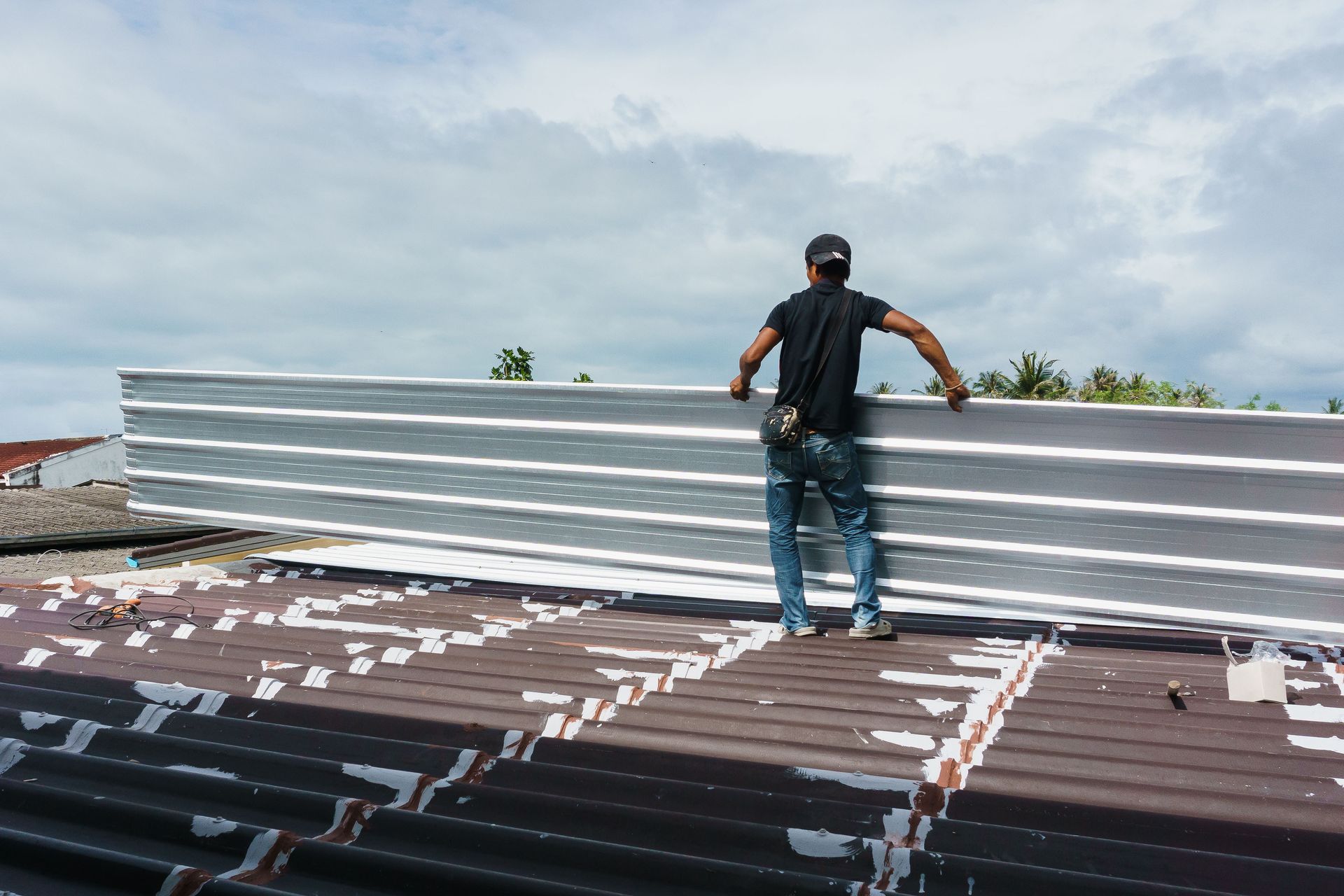
The final stage of the process transitions from assessment to action. Based on the detailed report, the commercial roofer will provide you with tailored recommendations to restore or enhance your roof's functionality. If the damage is minimal, routine maintenance or minor patching might be all that is required to extend the lifespan of your current system. However, if the roof has reached the end of its usable life or has sustained severe structural damage, a full replacement might be recommended. In many cases, proactive solutions can prevent a complete tear-off. For example, applying fresh TPO roof coatings or acrylic roof coatings can rejuvenate an aging surface, providing renewed waterproofing and improved energy efficiency at a fraction of the cost of a total replacement. The contractor will outline all available options, providing cost estimates and timelines for each, empowering you to make the most informed decision for your business's bottom line and the long-term safety of your building.
Understanding what happens during a professional evaluation demystifies the process and highlights the immense value of regular maintenance. Ignoring the condition of your building's exterior defense is a gamble that rarely pays off, often resulting in catastrophic leaks, damaged inventory, and significant operational downtime. By adhering to a proactive schedule, you can catch minor defects before they escalate into massive financial burdens. Whether your facility relies on durable metal roofing, advanced industrial roofing solutions, or standard commercial setups, consistent monitoring is the key to longevity. A qualified commercial roofer brings the necessary expertise to accurately diagnose hidden problems, recommend the most cost-effective interventions, and keep your property secure against the elements. Do not wait for a heavy rainstorm to reveal the weaknesses in your building's structure. Take the initiative today to ensure your property remains a safe, dry, and productive environment for everyone inside. Secure the future of your property and schedule your comprehensive inspection with Ace Roofing Systems.