October 12, 2026
A commercial roof protects a building from rain, wind, sunlight, temperature changes, and other environmental conditions throughout the year. Because the roof is constantly exposed, small problems can gradually develop even when there are no obvious signs of damage from inside the building. Regular maintenance gives property owners an opportunity to identify developing concerns before they become larger and more expensive. Tasks such as inspecting seams, clearing drainage areas, checking flashing, repairing damaged materials, and monitoring rooftop equipment can all contribute to better long-term performance. Working with a commercial roofer can also help building owners establish a consistent maintenance schedule based on the roof type, age, condition, and surrounding environment. With routine attention, a commercial roofing system may remain functional longer and provide more dependable protection for the property beneath it.
Scheduling Routine Roof Inspections
Regular inspections are one of the most important parts of commercial roof maintenance because many roofing problems begin in areas that are difficult to see from the ground. Loose flashing, small punctures, separating seams, deteriorated sealants, and blocked drainage components may not cause immediate interior symptoms. However, these issues can worsen as the roof experiences additional weather exposure. Inspecting the system on a consistent schedule makes it easier to document changes and identify areas that may need repairs before moisture reaches insulation, decking, walls, or interior spaces.
According to Axiom Division 7, commercial roofing systems should undergo inspections a minimum of two times each year. A commercial roofer may also recommend additional inspections after severe storms, high winds, hail, or other events that could damage roofing materials. Regular evaluations provide a record of the roof's condition over time, which can make it easier to distinguish normal aging from developing problems. Addressing concerns during scheduled visits can also reduce the likelihood that property owners will first discover damage through an active leak or another disruptive roofing emergency.
Keeping Roof Drainage Systems Clear
Commercial roofs often depend on drains, gutters, scuppers, and downspouts to move rainwater away from the building. Leaves, branches, dirt, roofing granules, trash, and other debris can collect around these drainage points and restrict water flow. When water cannot drain efficiently, it may remain on the roof for extended periods. Ponding water adds weight to the roofing system and may place additional stress on membranes, seams, flashing, and underlying materials. Repeated moisture exposure can also increase the likelihood that small weaknesses will develop into leaks.
Routine maintenance should therefore include clearing debris and confirming that drainage components remain open and properly positioned. A commercial roofer can inspect low areas where water tends to collect and determine whether drainage problems are related to clogs, roof slope, damaged components, or another condition. Keeping water moving away from the roof reduces unnecessary moisture exposure and may help protect vulnerable areas from deterioration. Regular drainage maintenance is particularly important during seasons when leaves, seeds, or storm debris are more likely to accumulate on the building.
Repairing Minor Damage Promptly
Small roofing problems are generally easier to address before they spread. A minor puncture, loose fastener, cracked sealant, separated seam, or damaged flashing may initially affect only a limited area. If the problem remains exposed to rain, wind, and temperature changes, however, moisture can move beneath the surface and affect a much larger portion of the roofing assembly. By the time water becomes visible inside the building, damage may already involve insulation, decking, ceiling materials, or other components.
Regular maintenance allows a commercial roofer to identify and correct minor defects while they are still manageable. Prompt repairs can also help preserve surrounding roofing materials that might otherwise be affected by moisture intrusion or movement. Building owners should avoid postponing repairs simply because a problem appears small from the surface. Commercial roofing systems work as interconnected assemblies, and a weakness in one area can influence nearby components. Addressing damage early can therefore reduce unnecessary wear and help extend the useful life of the overall system.
Protecting Flashing and Roof Penetrations
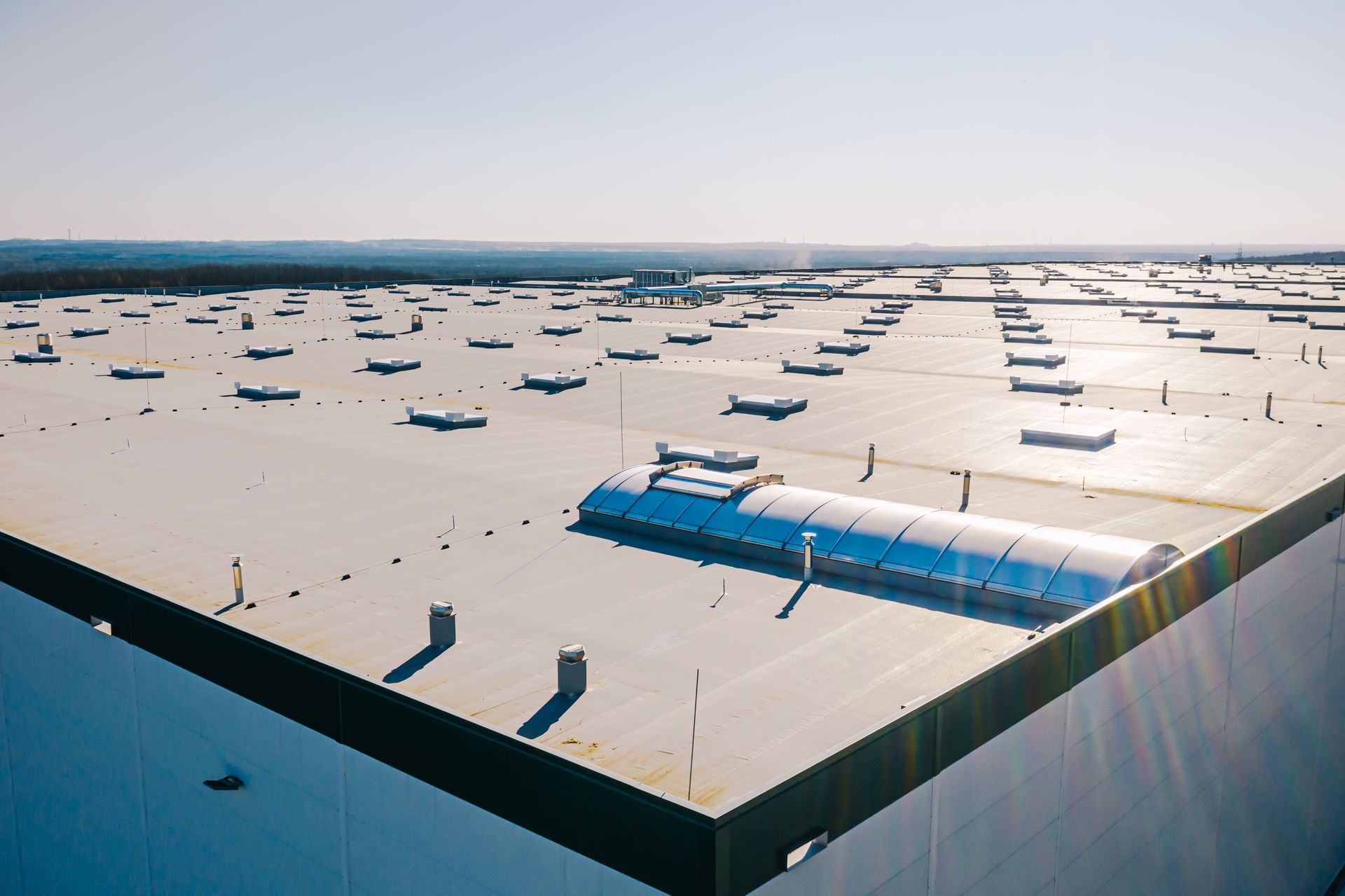
Commercial roofs often contain numerous penetrations for vents, pipes, HVAC equipment, drains, skylights, and other building systems. The areas surrounding these features require flashing, sealants, curbs, or other materials designed to keep water from entering around openings. Because these locations involve transitions between different materials and surfaces, they can be particularly vulnerable to movement and weather exposure. Sealants may dry out, flashing can loosen, and gaps can form as roofing materials expand and contract with temperature changes.
Maintenance visits provide an opportunity to examine these details closely and correct deterioration before leaks develop. A commercial roofer can check whether flashing remains securely attached and whether sealants or membranes around penetrations show signs of cracking, separation, or wear. Rooftop equipment should also be inspected for conditions that could affect nearby roofing materials, including leaks, condensation, or movement. Protecting these transition areas is an important part of preserving the roof because water frequently finds its way into buildings through small openings around penetrations rather than through large areas of intact roofing.
Removing Debris and Preventing Surface Damage
Debris left on a commercial roof can create several problems beyond blocked drainage. Branches, loose materials, construction waste, and other objects may scrape or puncture roofing membranes as they shift in the wind. Organic debris can retain moisture against the roof surface, while heavier objects may place concentrated pressure on materials not designed to support them. Even seemingly harmless items can become damaging if they remain in place through repeated storms or seasonal weather changes.
A commercial roofer can remove accumulated debris during maintenance visits and inspect the areas underneath for signs of wear. Property owners should also control access to the roof whenever possible because unnecessary foot traffic can contribute to punctures, compression, and surface deterioration. Workers servicing HVAC units or other equipment may unintentionally damage roofing materials if designated pathways are not used. Keeping the surface clear and limiting unnecessary activity can help reduce avoidable damage and preserve roofing components that might otherwise require premature repair or replacement.
Maintaining the Roof Around Building Equipment
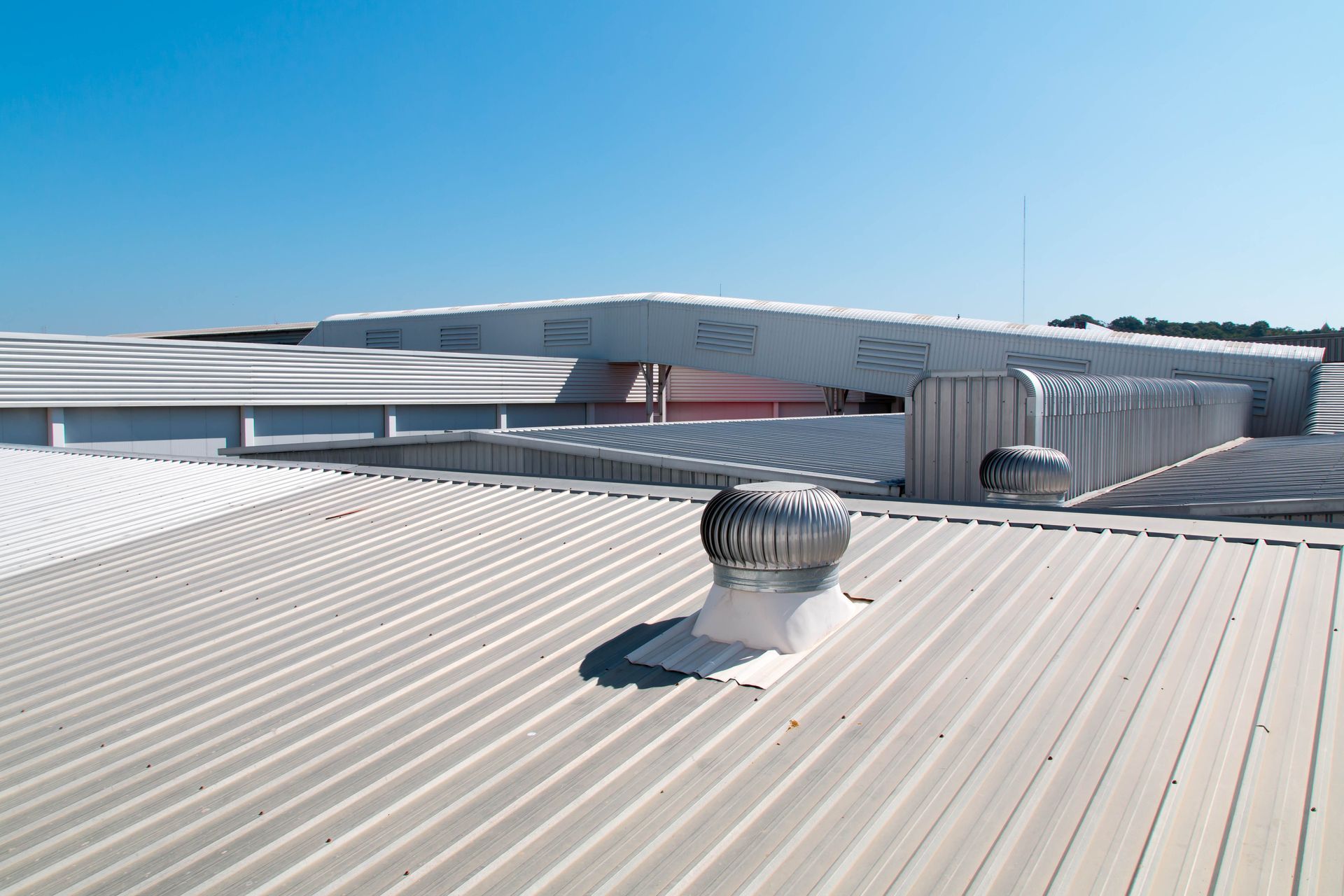
Commercial buildings frequently have HVAC systems, exhaust fans, vents, electrical equipment, and other components installed on the roof. Service technicians may need to access these systems throughout the year, which can expose surrounding roofing materials to repeated foot traffic, dropped tools, equipment movement, and other potential damage. Condensation or mechanical leaks can also introduce moisture onto the roof surface. Without regular monitoring, deterioration around these areas may continue unnoticed until it begins affecting the roofing system.
Including equipment areas in routine maintenance helps identify these problems earlier. A commercial roofer can check membranes, flashing, curbs, walk pads, and nearby drainage points for damage or unusual wear. Building owners may also coordinate roofing inspections with other maintenance activities so that any problems caused during equipment servicing can be addressed promptly. Protecting roofing materials around mechanical systems can reduce one common source of premature deterioration and help ensure that building maintenance in one area does not unintentionally shorten the service life of another.
Regular maintenance can extend the life of a commercial roof by helping property owners identify damage early, maintain drainage, protect flashing, remove debris, monitor aging materials, and reduce wear around rooftop equipment. A consistent maintenance program also provides useful records that can help owners understand how the roof is changing and plan future repairs more effectively. Instead of waiting for leaks or visible damage to reveal a problem, routine inspections allow small concerns to be addressed before they affect larger areas of the roofing system or building interior. Working with a commercial roofer can make it easier to establish an appropriate inspection and maintenance schedule based on the specific roof and property conditions. For professional assistance maintaining and protecting your commercial roofing system, contact Ace Roofing Systems.