June 1, 2026
Navigating the world of commercial real estate requires making a continuous series of smart, long-term investments, and few decisions carry as much weight as selecting the right roofing system. The overhead canopy of a commercial building acts as the primary shield against weather elements, a major factor in monthly energy costs, and a critical component of the structural footprint. By exploring the physical properties, financial dynamics, and longevity of the leading commercial materials, building owners can approach their upcoming construction projects with complete clarity and confidence.
The Rise of Single Ply Solutions in Modern Construction
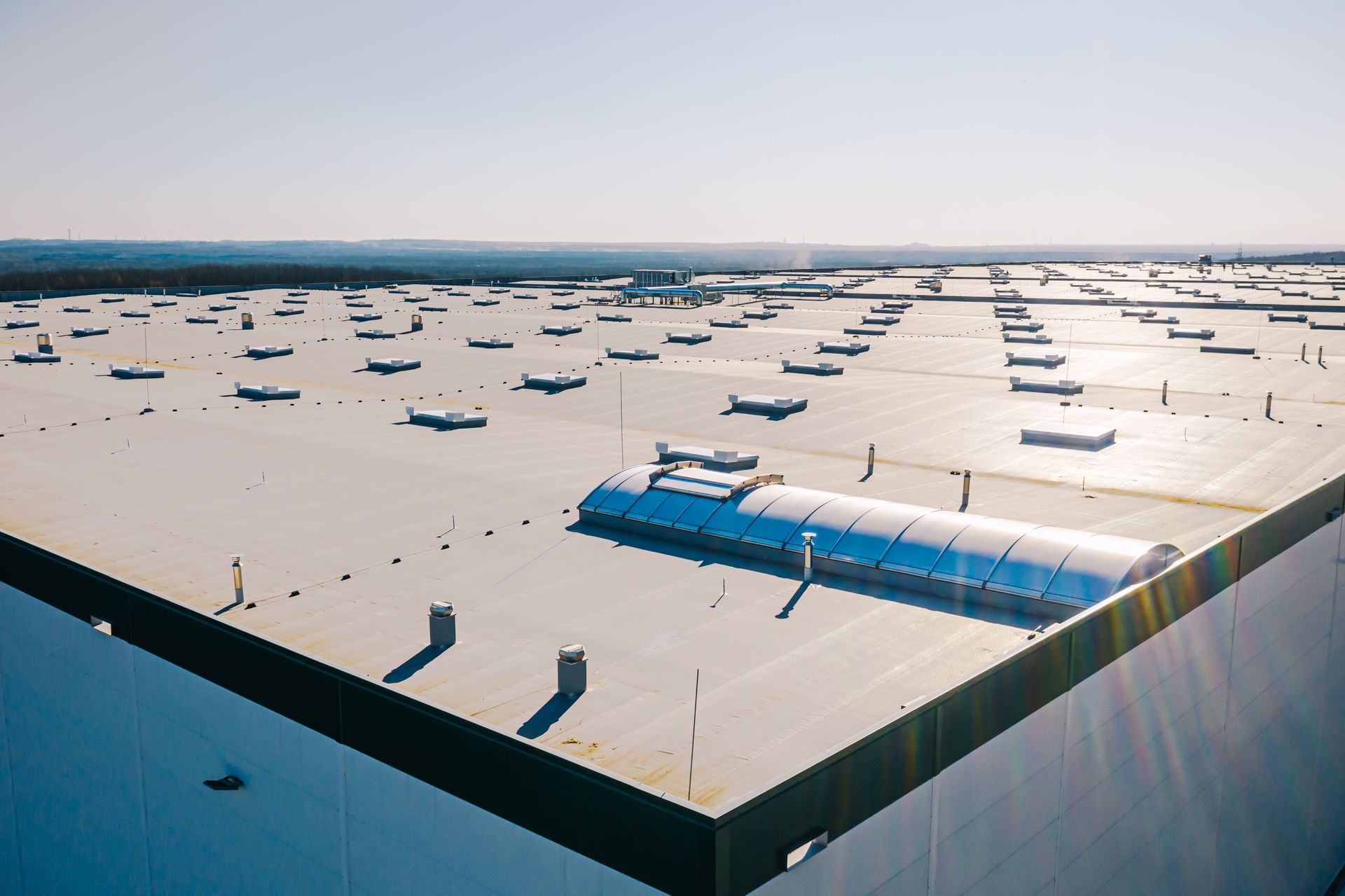
Modern commercial architecture frequently utilizes low-slope or flat designs, which require specialized waterproofing strategies completely different from residential steep-slope buildings. Single-ply roofing membranes have emerged as a dominant choice for these flat expanses due to their efficient installation and reliable performance. When property managers consult with local commercial roofers, they often discuss the advantages of utilizing flexible, prefabricated sheets that offer seamless coverage across vast square footage. These synthetic membranes are engineered to provide consistent thickness and material integrity straight from the manufacturing plant, minimizing human error during the application phase. Incorporating these advanced single-ply options allows commercial properties to achieve uniform protection that accommodates the natural settling and shifting of large commercial foundations.
Understanding Thermoplastic Polyolefin Performance Metrics
Thermoplastic Polyolefin, commonly referred to as TPO, represents one of the fastest-growing sectors in the commercial building industry due to its versatile performance profile. This single-ply membrane is composed of a specialized blend of polypropylene and ethylene-propylene rubber, creating a surface that is both highly flexible and exceptionally durable. According to Roofing Contractor, TPO is the most popular type of singly ply roofing, driving 49% of sales for commercial contractors. This massive market share is a direct result of the material resistance to ultraviolet radiation, chemical exposure, and physical punctures from routine maintenance traffic. When local commercial roofers secure this material to a roof deck, they use hot-air welding to fuse the overlapping seams, creating a monolithic barrier that resists wind uplift and water infiltration better than traditional glued systems.
Energy Efficiency and the Cool Roof Phenomenon
Operational costs are a constant concern for business operations, and the thermal performance of a roof system directly impacts monthly utility bills. TPO and highly reflective light-colored membranes are central to the cool roof movement, which aims to minimize solar heat absorption into building interiors. Instead of absorbing the sun rays and transferring that thermal energy down into the warehouse or office space, reflective surfaces bounce a significant portion of solar radiation back into the atmosphere. Property owners who collaborate with local commercial roofers to implement reflective roofing often notice an immediate reduction in the strain placed on their commercial HVAC equipment during peak summer months. This enhanced energy efficiency not only lowers current cooling expenses but also extends the operational lifespan of the heating and cooling machinery inside the building.
The Protective Capabilities of Acrylic Fluid Applied Systems
For properties looking to extend the life of an existing roof without undergoing a complete tear-off process, acrylic fluid-applied systems offer an innovative alternative. These liquid-applied coatings are sprayed or rolled directly onto a prepared substrate, curing to form a seamless, rubber-like elastomeric membrane across the entire structure. When local commercial roofers evaluate a building for an acrylic application, they focus on sealing vulnerable details such as flashings, penetrations, and mechanical curbs. The resulting fully adhered barrier eliminates the seams entirely, which are historically the most common failure points in traditional installations. Acrylic systems are highly valued for their superb elasticity, allowing the coating to expand and contract gracefully during dramatic temperature shifts without cracking or peeling away from the underlying structure.
Weather Resistance and Climate Adaptability of Elastomeric Coatings
Climate factors dictate how well a liquid-applied system will perform over its life cycle, making regional weather analysis a vital step in the planning phase. Acrylic coatings excel in environments characterized by high solar exposure and moderate rainfall, where their reflective properties can be leveraged for maximum thermal benefit. However, because acrylic formulations are water-based, specialized knowledge from local commercial roofers is required to ensure proper application timing and to avoid areas prone to prolonged ponding water. When applied under optimal conditions, the acrylic barrier provides excellent defense against hail impacts, minor wind-borne debris, and atmospheric pollutants. This protective layer acts as a sacrificial shield, absorbing environmental wear and preserving the underlying structural deck from moisture damage.
The Structural Superiority and Lifespan of Metal Roofing
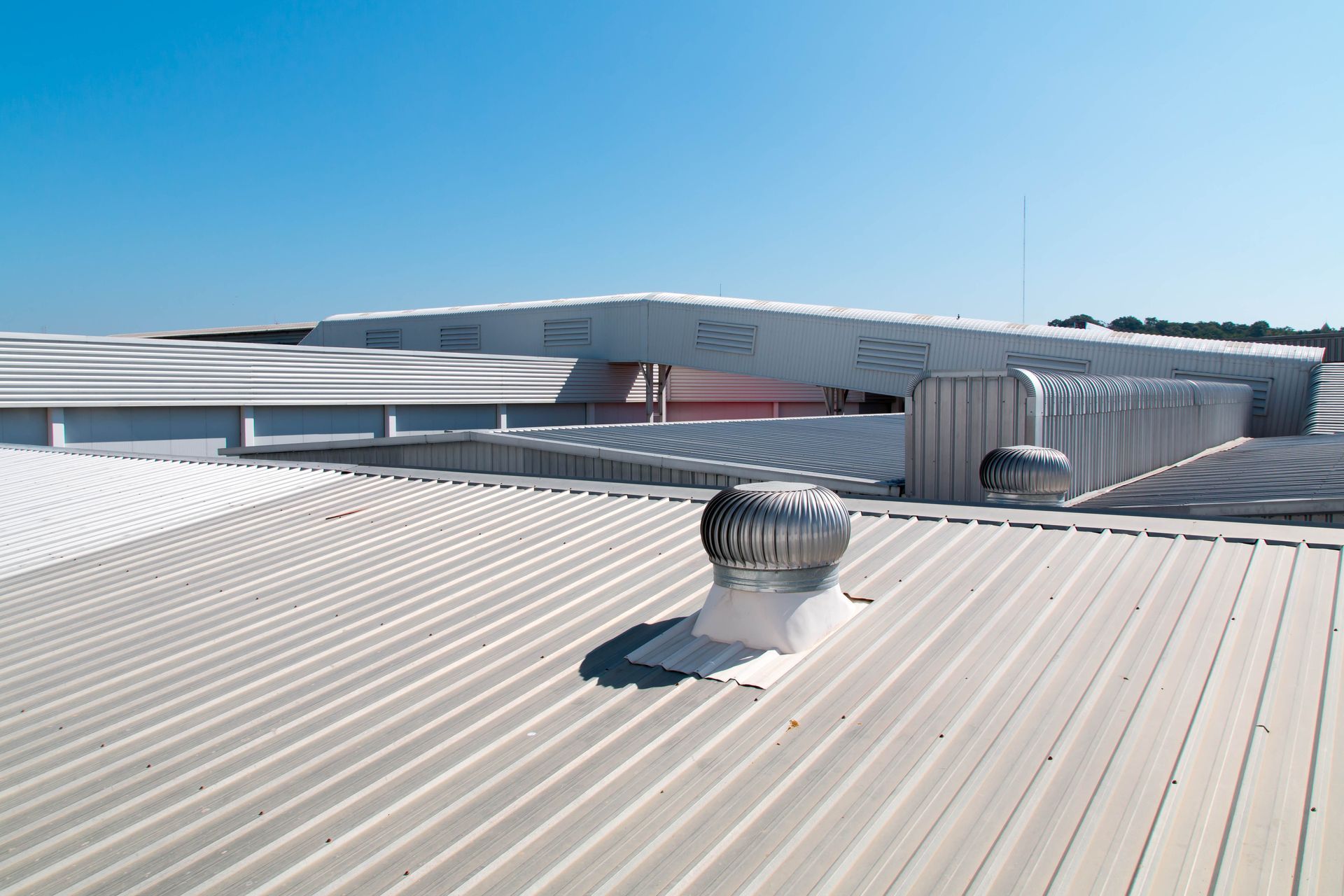
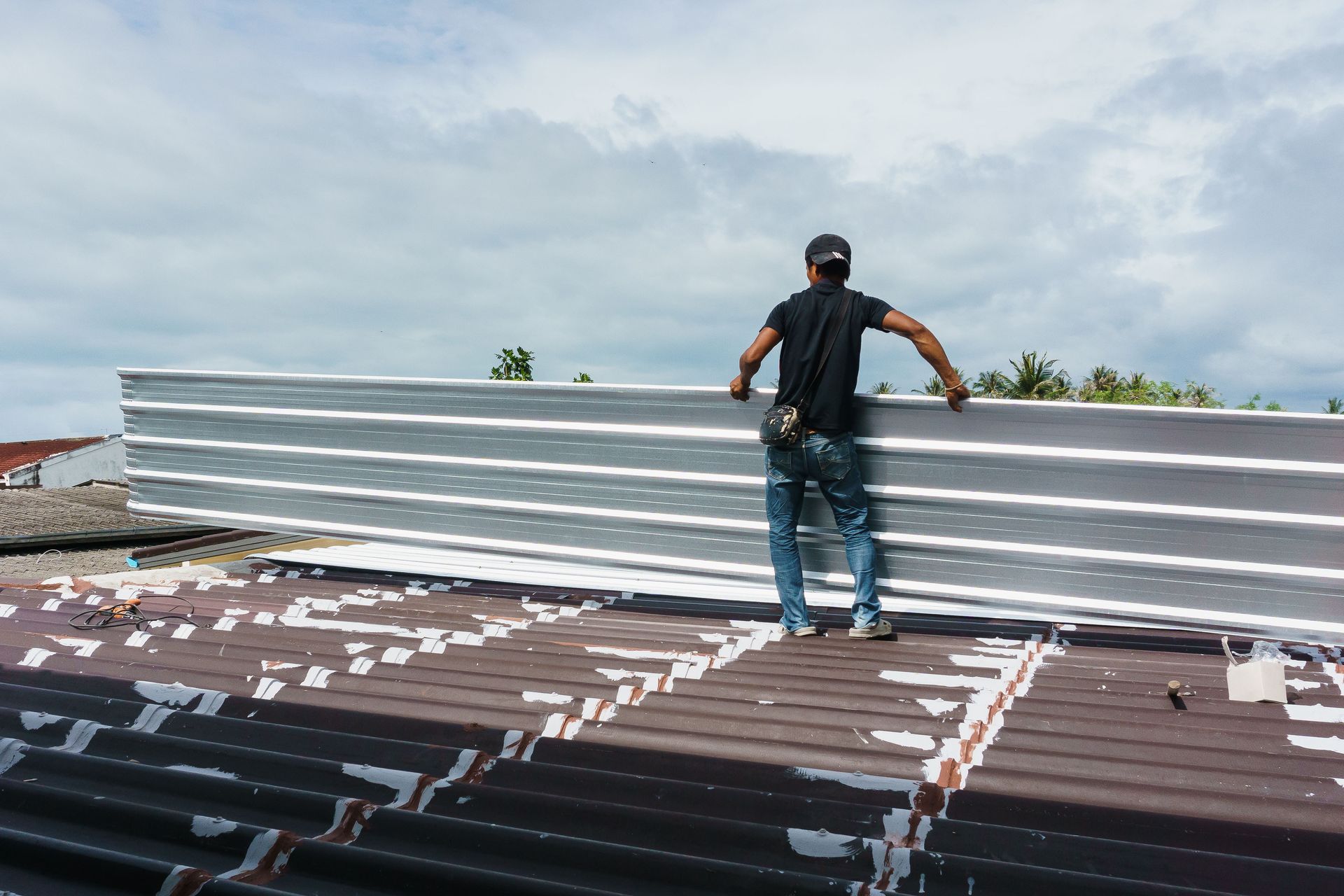
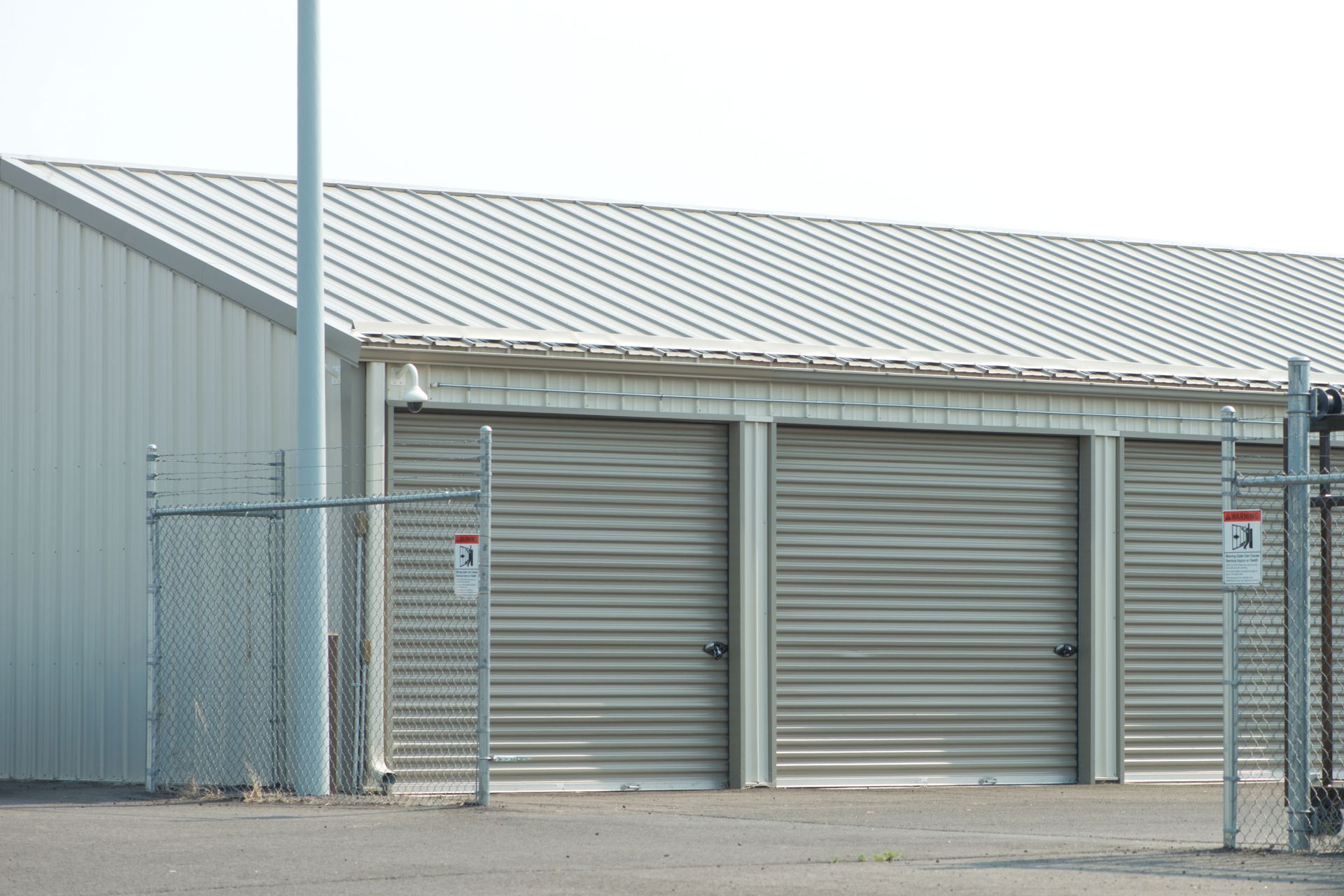
When long-term permanence and structural strength are the absolute priorities for a commercial development, metal roofing systems stand out as an exceptional choice. Whether utilizing standing seam steel, aluminum, or copper panels, metal architecture offers structural longevity that easily surpasses most membrane-based alternatives. Experienced local commercial roofers often recommend metal for buildings with a slight slope, as the smooth surface facilitates rapid water shedding and prevents debris accumulation. Metal components are naturally non-combustible, providing a higher level of fire safety that can favorably influence commercial insurance premiums. While the initial capital investment for a metal installation is typically higher than synthetic options, the extended service lifespan of fifty years or more creates an excellent return on investment over time.
Comparing Upfront Capital Costs and Lifecycle Value
Financial planning for a commercial roof project requires looking beyond the initial installation invoice to analyze the total cost of ownership over several decades. A lower-cost material option may seem appealing to a corporate budget in the short term, but frequent repairs and a shorter replacement cycle can quickly erase those initial savings. Consulting with local commercial roofers allows property owners to develop accurate lifecycle cost analyses for TPO, acrylic, and metal options based on current labor markets. A high-quality material choice lowers the frequency of emergency repair calls, prevents costly business disruptions, and helps maintain the interior assets of the enterprise. Balancing immediate budgetary constraints against long-term operational forecasts ensures that the selected asset aligns perfectly with the financial strategy of the business.
The Importance of Proactive Maintenance and Professional Inspections
Regardless of the high-grade material selected for the building, the ultimate longevity of the system depends on a structured schedule of preventative maintenance and care. Commercial roofs are complex ecosystems that face continuous foot traffic from HVAC technicians, structural shifts, and debris accumulation in drainage path areas. Engaging local commercial roofers for semi-annual inspections allows for the early detection of minor issues before they evolve into costly internal leaks. During these professional evaluations, technicians clear debris, verify the integrity of flashing seals, check expansion joints, and ensure that drainage systems flow freely. Documenting these regular maintenance visits also preserves manufacturer warranties, ensuring that property owners remain fully protected against unexpected material defects.
Selecting the Right System for Specific Commercial Operations
Every commercial enterprise has distinct operational requirements that directly influence which roofing material will deliver the most functional utility. A manufacturing facility emitting chemical byproducts requires a highly resistant substance like TPO, while a commercial retail space might benefit from the rapid deployment of an acrylic coating. Working closely with local commercial roofers ensures that factors such as structural load limits, roof slope, aesthetic guidelines, and building usage are thoroughly vetted. A professional evaluation prevents the misapplication of materials and guarantees that the finished system supports the specific business activities taking place beneath it. Taking a holistic approach to material selection results in an asset that enhances operational efficiency while providing dependable safety.
Securing a commercial property with the appropriate roofing system is a foundational requirement for protecting business operations, managing energy expenses, and ensuring structural longevity. Whether utilizing the widely popular efficiency of TPO membranes, the seamless flexibility of acrylic coatings, or the permanent strength of custom metal panels, each material offers distinct advantages tailored to specific architectural demands. When you are ready to upgrade your property with an enduring, high-performance roof system, contacting Ace Roofing Systems provides the trusted expertise and dedicated service needed to secure your commercial investment for the future.